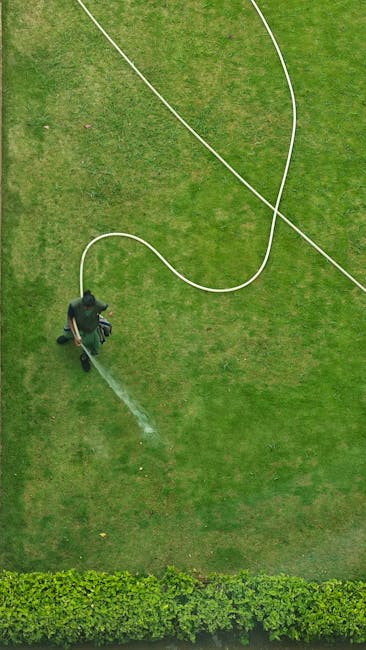
Step by step lawn care plan from professional gardeners
If your lawn looks tired, patchy, mossy, or just a bit neglected after a long British winter, you are not alone. A proper step by step lawn care plan from professional gardeners gives you a clear route from "where do I even start?" to a lawn that feels healthier underfoot and looks good from the kitchen window. The trick is not doing one dramatic fix and hoping for the best. It is the steady, sensible routine that makes the difference. A bit of mowing, a bit of feeding, a bit of patience. Simple sounding, yes. Easy? Well, that depends on timing, weather, and how honest you are about the lawn's actual condition.
In this guide, you will get a professional-style lawn care process that works for most UK gardens, along with practical tips, common mistakes, and the kind of seasonal judgement experienced gardeners use every week. If you are comparing professional help, it can also be useful to review pricing and quotes, and for reassurance around site practices there is also the page on health and safety standards. Let's face it, a lawn may be "just grass", but it still deserves a proper plan.
Table of Contents
- Why a step by step lawn care plan matters
- How the lawn care plan works
- Key benefits and practical advantages
- Who this is for and when it makes sense
- Step-by-step guidance
- Expert tips for better results
- Common mistakes to avoid
- Tools, resources and recommendations
- Law, compliance, standards, or best practice
- Options, methods, or comparison table
- Case study or real-world example
- Practical checklist
- Conclusion
- Frequently asked questions
Why a step by step lawn care plan matters
A lawn does not usually fail all at once. It declines in stages. First the grass grows unevenly. Then weeds creep in. Then moss moves into the shaded or compacted spots. Then the colour dulls down and the soil starts to feel hard after rain. That slow decline is exactly why a professional gardener works from a sequence rather than a random set of jobs.
A step by step approach matters because lawn care is cumulative. Mowing at the wrong height, for example, can weaken the grass and let weeds take the advantage. Scarifying too aggressively at the wrong moment can leave a lawn looking worse before it looks better. Feeding without fixing compaction is a bit like polishing a car with a flat tyre. Not useless, exactly, but not enough.
Professional gardeners tend to look at the whole picture: grass type, shade, drainage, soil condition, timing, recent weather, and how the lawn is actually used. A family lawn that takes football boots, dog paws, and a bouncy trampoline in the corner needs a different plan from a decorative front lawn that gets light use and a bit of afternoon sun. Sounds obvious, but this is where many home treatments go off the rails.
Expert summary: the best lawn care is not a single treatment. It is a sequence of small actions, done at the right time, with enough consistency for the grass to recover and thicken properly.
How the lawn care plan works
A professional lawn care plan usually follows a seasonal rhythm. In the UK, that rhythm matters because weather swings are so decisive. A dry spring, a wet summer, and a damp autumn can each require slightly different priorities. The basic logic stays the same, though: assess, clean, correct, feed, protect, and maintain.
Here is the simple working model gardeners use:
- Inspect the lawn to identify the main issues: weeds, moss, bare patches, compaction, poor drainage, thinning grass, or pest damage.
- Set the mowing baseline so the grass is cut at a healthy height rather than scalped.
- Remove surface build-up such as clippings, moss, and thatch when needed.
- Improve the soil condition through aeration, topdressing, or light levelling if the lawn is uneven.
- Feed and seed with the right mix for the season and the lawn's condition.
- Water correctly, which usually means less often but more deeply, rather than a quick splash every day.
- Monitor and adjust as growth changes with temperature, rainfall, and use.
That is the backbone. The details change depending on whether the lawn is spring recovery, summer maintenance, autumn renovation, or winter protection. To be fair, most lawns need a bit of all four at some point.
Key benefits and practical advantages
A well-run lawn care plan offers more than a nicer-looking patch of grass. Yes, appearance matters, but the practical advantages are just as important.
- Thicker grass cover: healthy turf naturally crowds out weeds and helps reduce bare soil.
- Better resilience: a lawn with stronger roots handles foot traffic, dry spells, and recovery better.
- Less moss and weed pressure: not zero, let's be realistic, but noticeably less when the basics are done properly.
- Improved drainage and surface feel: aerated, well-managed soil usually performs better after rain.
- Cleaner edges and a tidier garden overall: a lawn frames beds, paths, and borders, so the whole garden reads better.
- Lower long-term repair effort: regular maintenance is usually easier than repeated rescue work.
There is also a quieter benefit. When a lawn is in decent shape, the garden feels usable again. You notice it in small moments: bare feet on short grass in the morning, or the sound of the mower moving cleanly rather than dragging through patches. That sort of thing.
Who this is for and when it makes sense
This kind of lawn care plan is useful for a few different people. If your lawn has a specific problem, this gives you a structured fix. If your lawn is broadly fine, it gives you maintenance discipline so it stays that way.
- Homeowners with tired lawns: especially where grass is thin, patchy, or uneven.
- New property owners: useful when you inherit a garden and do not know what has been done before.
- Busy families: if the lawn gets heavy use, the care plan needs to keep up with the wear.
- Landlords and property managers: a tidy lawn helps present the whole property properly.
- Anyone preparing for sale or letting: kerb appeal is not everything, but it is not nothing either.
- People with shade or drainage problems: these lawns need more than occasional mowing.
It also makes sense if you are deciding whether to do it yourself or bring in professional help. Sometimes the answer is mixed. You might handle mowing and light feeding yourself, then ask for specialist input on aeration, renovation, or seasonal recovery. That is a very normal arrangement.
Step-by-step guidance
1) Start with a proper lawn assessment
Before you touch a mower or buy feed, look closely at the lawn. Walk it. Kneel down if needed. Check for thin areas, weeds, moss, waterlogging, shade patterns, bumps, and dry patches. A professional gardener is not just looking at the top layer; they are reading the lawn like a map.
Ask a few simple questions. Does water sit on the surface after rain? Is the lawn soft and spongy in places? Does it brown off quickly in sun? Are there dog urine marks or compacted pathways? The answers help decide the next move.
2) Cut at the right height
Mowing is not just about neatness. It shapes root strength. Cutting too short stresses the grass, especially in warm or dry periods. In general, a slightly higher cut is kinder to most lawns and encourages stronger growth. If the lawn is overgrown, reduce the height gradually over several cuts rather than hacking it down in one go. That is one of those "learn it once and keep learning" gardening lessons.
Keep blades sharp. A blunt mower tears the grass and leaves frayed tips, which can look grey or brown afterwards. Sharp blades give a cleaner finish and reduce stress.
3) Clear away thatch, moss, and debris when needed
Thatch is the layer of dead grass and organic material that sits between the soil and the living grass. A little is normal. Too much blocks air, water, and nutrients. Moss often appears where the lawn is damp, shaded, or compacted. If the build-up is moderate to heavy, scarifying can help. That means raking or mechanically combing out the unwanted material.
Do not overdo it. A light scarify can be beneficial; an aggressive one at the wrong time can leave the lawn looking scrappy for weeks. There is a judgment call here, which is why professionals usually factor in recovery time before they start.
4) Aerate compacted soil
If the lawn feels hard underfoot, drains poorly, or shows a lot of traffic lines, aeration is usually worth considering. This involves making small holes in the soil so air, water, and nutrients can move more freely. Hollow-tine aeration removes small plugs of soil and is often used on more compacted lawns, while solid-tine aeration makes holes with minimal surface removal.
Compaction is a sneaky problem. You may not see much on the surface, but grass roots struggle below. In a busy garden, especially one with kids, pets, or regular entertaining, aeration can make a very noticeable difference.
5) Topdress and level uneven areas
Topdressing means spreading a thin layer of suitable material over the lawn, often after aeration or renovation. It can improve surface levels, help soil structure, and support recovery. It is particularly useful for lawns with slight hollows, mower scalping, or a bumpy feel.
Keep it light. A thick layer can smother the grass. The goal is to support the lawn, not bury it.
6) Overseed thin patches
Where grass is weak or bare, overseeding is one of the best repair steps. Use a seed mix that suits the site conditions. A lawn in shade needs different characteristics from one in full sun. Even spread matters, and so does seed-to-soil contact. Light raking and a thin topdress can help the seed settle.
Watering matters a lot at this stage. The seed bed should stay evenly moist, not soaked. If you let it dry repeatedly in the first couple of weeks, germination can become patchy. And honestly, patchy is exactly what you are trying to leave behind.
7) Feed with a seasonal lawn fertiliser
Feeding supports growth, colour, and recovery. Spring and summer feeds usually support active growth, while autumn products are often used to strengthen the lawn before colder weather. Do not guess too wildly. Follow the product instructions and match the feed to the season and condition of the grass.
It is easy to overfeed because the lawn looks hungry. But too much fertiliser can cause a flush of soft growth, which then needs more mowing and may become more vulnerable in dry weather. More is not always better.
8) Water smartly
A mature lawn generally benefits more from deep, occasional watering than from frequent light watering. Light watering encourages shallow roots, which is the opposite of what you want. New seed is different, of course, and does need more careful moisture management. This is one place where judgment matters more than routine.
If there is a hosepipe restriction or local dry spell, adapt sensibly. A healthy lawn can usually tolerate short dry periods better than a lawn that has been pampered into dependence on constant watering.
9) Manage weeds without damaging the grass
Weeds are usually a symptom as much as a problem. Bare soil, weak grass, poor mowing, and compaction all create opportunities for them. Spot treatment or hand removal may be enough in some cases. In others, improving turf density is the real answer.
Be careful with blanket treatments. If the lawn is already stressed, strong treatments can add to the damage. A professional gardener will often fix the underlying conditions first, then use weed control as part of the wider plan rather than the whole plan.
10) Keep up a maintenance rhythm
Once the lawn is improving, the job is about keeping it stable. That usually means regular mowing, occasional feeding, seasonal aeration, and prompt treatment of new problem areas. A lawn can look dramatically better after renovation, but the long-term result comes from consistency. Not perfection. Consistency.
Expert tips for better results
Here are the small details that often separate an okay lawn from a genuinely good one.
- Mow little and often in the main growing season. It keeps the lawn neat without shocking the grass.
- Change direction occasionally. This reduces wear patterns and helps the grass stand up more evenly.
- Watch the shade. Areas under trees or beside fences often need different treatment from the rest of the lawn.
- Check the soil after rain. A lawn can look fine but still be waterlogged below the surface.
- Use a spring or autumn renovation window wisely. Timing is half the battle.
- Keep edges sharp. Crisp edges make the whole lawn look better, even when the grass itself is only mid-recovery.
- Do not chase perfection too quickly. A lawn recovering from moss, compaction, or bare patches needs time. That is normal.
A practical observation: many lawns respond best when you make one meaningful improvement at a time rather than trying to do everything in one weekend. It feels slower, but the results are often better. You avoid shock, you avoid overwork, and the lawn has a chance to settle.
Common mistakes to avoid
Some lawn problems are made worse by well-meant effort. That is the frustrating part.
- Cutting too short: this weakens grass and invites stress.
- Ignoring soil compaction: if roots cannot breathe, feeding alone will not fix much.
- Overwatering: especially on established lawns, this can encourage shallow roots and disease pressure.
- Applying feed at the wrong time: products work best when matched to growth conditions.
- Using blunt mower blades: the lawn can look ragged even when cut frequently.
- Scarifying too aggressively: a heavy-handed approach can leave the lawn thin and open.
- Expecting instant repair: lawns recover, but not on command. Nature is annoyingly independent like that.
One more thing. A lawn that is mostly shade, poor soil, or heavy foot traffic may never look like a golf green. And that is fine. Good garden care is about fit, not fantasy.
Tools, resources and recommendations
You do not need a shed full of specialist kit to follow a decent lawn care plan, but a few good tools help a lot.
| Tool or material | What it is used for | Best for |
|---|---|---|
| Mower with adjustable height | Regular cutting at a healthy height | Routine maintenance and seasonal adjustment |
| Spring-tine rake or scarifier | Removing thatch and moss | Lawns with build-up or recovery needs |
| Fork or aerator | Opening compacted soil | Traffic areas, clay soils, poor drainage |
| Broadcast spreader or hand spreader | Even application of seed or feed | Renovation and feeding work |
| Topdressing material | Light levelling and surface support | Uneven or tired lawns |
| Watering can, hose, or sprinkler | Controlled watering during establishment | New seed and dry spells |
If you are arranging professional help, it is worth asking how the work is phased and what aftercare is included. A good provider should be happy to explain the process in plain English. If you want to understand the business side a little more, the site's about us page is a useful place to see the approach behind the service, and the contact page is the simplest route if you want to ask about a lawn assessment.
For people who prefer to handle some work themselves, keep the routine simple: mow, monitor, feed seasonally, and correct the soil conditions when the lawn starts to struggle. Fancy gear helps, but consistent attention helps more.
Law, compliance, standards, or best practice
For domestic lawn care, there is usually no special legal complexity, but professional gardeners are still expected to work responsibly and safely. That includes using equipment properly, following product instructions, handling waste sensibly, and taking care around people, pets, paths, and boundaries.
Where chemicals or lawn treatments are used, good practice means reading the label carefully and applying only as directed. If a lawn borders a shared drive, public path, or neighbour's boundary, extra care matters. No one likes overspray drifting where it should not. Simple common sense, really, but it counts.
It is also sensible to check that anyone carrying out work has appropriate insurance and operates with clear terms. If you are comparing a provider, pages such as insurance and safety, terms and conditions, and payment and security help set expectations before any work starts. If sustainability matters to you, the recycling and sustainability information is also worth a look, especially where clippings, packaging, or green waste handling is concerned.
In professional practice, clear communication, site awareness, and safe handling are part of the job. That is true whether the task is a simple lawn tidy-up or a more involved seasonal renovation.
Options, methods, or comparison table
If you are deciding how to improve a lawn, the main choice is usually between simple maintenance, targeted renovation, or fuller professional intervention. Each option has its place.
| Approach | Best for | Pros | Limitations |
|---|---|---|---|
| Routine DIY maintenance | Generally healthy lawns | Low cost, flexible, easy to maintain | Can miss deeper issues like compaction or poor drainage |
| Targeted repair | Patches, weeds, moss, thin areas | Efficient, focused, often good value | Needs correct timing and follow-through |
| Full seasonal renovation | Weak, tired, or neglected lawns | Most comprehensive, can transform appearance | More disruption, more aftercare required |
In practice, a lot of gardens sit in the middle. They do not need a full rebuild, but they are beyond "just mow it every so often". That middle ground is where a professional gardener can really add value, because they know which actions are worth the effort and which ones are just noise.
Case study or real-world example
Picture a typical suburban lawn in early spring. It looks alright from the path, but up close it has a thin centre section, a mossy strip near the fence, and a slightly lumpy area where kids have crossed it all winter. The owner has been mowing whenever the grass looks long, but there has been no real structure.
A professional-style plan would usually start with assessment and a light cut, then move to scarifying the mossy section, aerating the compacted routes, and overseeding the worn centre. The lawn would then be topped lightly, fed according to the season, and watered carefully until the seed established. Edges would be tidied as a finishing touch.
The noticeable change is not just colour. It is how the surface starts to feel more even, less soft in the wrong places, and easier to maintain. By early summer, the lawn still may not be "perfect", but it has changed from fragile to workable. That is a meaningful shift. You can build on workable.
Practical checklist
Use this checklist as a quick planning tool before you start.
- Inspect the lawn for weeds, moss, shade, patchiness, and drainage issues.
- Check whether the mower blades are sharp and the cutting height is sensible.
- Decide if the lawn needs scarifying, aeration, or both.
- Choose the right seed or feed for the season.
- Plan any overseeding or topdressing after the lawn has been prepared.
- Water newly seeded areas carefully and consistently.
- Keep foot traffic off recovery areas where possible.
- Revisit the lawn after a couple of weeks and adjust the plan if growth is uneven.
- Maintain a regular mowing pattern once the lawn is back on track.
- Review whether professional help would save time or improve the result.
If you want to save time, this is the point where many homeowners decide to get a quote rather than guessing through the rest of the season. No shame in that. Honestly, sometimes the best DIY skill is knowing when not to DIY.
Conclusion
A good lawn is built in stages. First you understand what the grass actually needs. Then you cut it properly, clear away the build-up, improve the soil, feed at the right time, and maintain the result without overcomplicating it. That is the real value of a step by step lawn care plan from professional gardeners: it turns a vague, frustrating job into a series of sensible actions that can actually work.
Whether your lawn needs a light seasonal tidy-up or a more involved recovery plan, the principle stays the same. Start with the condition of the lawn, not with a guess. Work with the weather, not against it. And give the grass time to respond. It usually does, provided you do not bully it too much.
Get a free quote today and see how much you can save.
For more background on the team and service approach, you can also visit the home page or learn more via the about us section. A well-kept lawn takes patience, but the payoff is a garden that feels calmer, greener, and far more inviting when you step outside.
Frequently Asked Questions
What is a step by step lawn care plan from professional gardeners?
It is a structured approach to lawn maintenance that breaks the work into clear stages: assessment, mowing, scarifying, aeration, feeding, seeding, watering, and ongoing care. The point is to fix the lawn in the right order rather than doing random jobs and hoping for the best.
How often should a lawn be mowed in the UK?
That depends on the season and how fast the grass is growing. In peak growing periods, mowing may be needed weekly or even more often. In cooler periods, less frequent cutting is usually fine. The key is to avoid removing too much at once.
When is the best time to scarify a lawn?
Usually during the main growing seasons, when the lawn can recover well after the work. Scarifying at the wrong time can leave the lawn thin and slow to bounce back, so timing matters more than force.
Do all lawns need aeration?
No, but many benefit from it, especially if the soil is compacted, heavy, or regularly walked on. If water sits on the surface or the grass looks stressed despite regular care, aeration is often worth considering.
What should I feed my lawn with?
Use a lawn feed suited to the season and the condition of the grass. Spring and summer feeds usually support active growth, while autumn products are typically used to strengthen the lawn before colder weather. Always follow the product instructions carefully.
How long does lawn renovation usually take to show results?
Some improvements, like cleaner mowing lines or reduced moss, can show fairly quickly. Overseeding and recovery work take longer, often several weeks or more. A lawn is a living surface, so the timeline depends on weather, growth, and how damaged it was to begin with.
Can I repair a patchy lawn myself?
Yes, many patchy lawns can be improved with a mix of cutting, scarifying, overseeding, feeding, and careful watering. If the issues are deep-rooted, such as severe compaction or drainage problems, professional help may be the better route.
Why does my lawn keep turning patchy again?
Usually because the underlying cause has not been fixed. Common reasons include poor mowing, shade, compacted soil, weak grass, heavy use, or lack of seasonal maintenance. Repairing the surface helps, but the lawn also needs the right conditions underneath.
Is it better to do lawn care myself or hire a professional gardener?
If the lawn just needs routine mowing and occasional feeding, DIY may be enough. If the lawn is mossy, uneven, badly compacted, or you do not have time to manage the seasonal work, a professional gardener can often save time and improve the end result.
How much should I expect to spend on lawn care?
Costs vary depending on lawn size, condition, and the type of work required. A simple tidy-up is different from a full renovation. If you want a clearer idea, a proper quote is the best starting point because it reflects the actual condition of your lawn rather than a guess.
What are the most common lawn care mistakes?
Cutting too short, overwatering, ignoring compaction, using blunt mower blades, and scarifying at the wrong time are all common mistakes. Another big one is doing too much at once. A lawn usually prefers careful steps, not a weekend assault.
Where can I learn more about your working practices and policies?
You can review the site's support and trust pages, including insurance and safety, health and safety policy, and complaints procedure. They help set clear expectations before any work is arranged.