Tree Surgeon in London
Professional tree surgery in London needs careful judgement, the right cutting method and a clear understanding of how each tree is structured before any work begins. Our service covers pruning, reduction, crown work and removal where needed, with attention to the condition of the tree, the surrounding property and the intended result. For homeowners, landlords and commercial sites, the aim is straightforward: manage tree growth safely and keep outdoor spaces usable, tidy and in good shape.
We work across a broad range of tree care tasks, from routine shaping to more involved dismantling. That can include selective branch removal, crown thinning, crown lifting and other forms of arboricultural maintenance where they suit the tree species and site conditions. In every case, the method should suit the tree rather than forcing a one-size-fits-all approach. Good tree work is measured cutting, not simply cutting more.
If you need support with overgrown branches, problem trees or a site that needs tidying, start by thinking about the outcome you want and the access available. You can request a quotation once the scope is clear, or ask us to review the work before deciding on the right approach. We keep the conversation practical, so you can compare options without unnecessary jargon.
Tree pruning and crown management
Pruning is often the most suitable option when a tree is healthy but needs to be controlled, shaped or made safer around buildings and paths. Done well, it can improve light, reduce encroachment and remove weak, rubbing or badly placed growth. It is also useful for maintaining a more balanced outline, especially where trees have become dense or uneven after a period of unchecked growth.
Our crown management work can include thinning to reduce density, lifting to increase clearance beneath the canopy and reduction where a tree has outgrown its space. Each method has a different purpose, and choosing correctly matters. A careful reduction may preserve the tree’s appearance better than heavier cutting, while thinning may be better where wind movement and light are the main concerns.
Where a site contains several trees, it is often better to review them together rather than treating each one in isolation. The most effective plan may combine pruning on one tree, deadwood removal on another and a more cautious approach where the tree is already under stress. Consistency matters, but so does discretion, because every tree responds differently to intervention.
Removals, stump work and site clearance
Some trees are beyond practical pruning, too close to structures, or compromised by decay, storm damage or severe structural defects. In those cases, removal can be the safest and most workable solution. We handle tree felling and sectional dismantling where access, size or surrounding features call for a controlled method rather than a straightforward cut-down.
After removal, many customers also want the remaining stump dealt with so the area can be reused cleanly. Stump grinding is a useful follow-on service where roots or visible stump sections would otherwise remain in the way of turfing, planting or hard landscaping. The right depth and finish depend on what the space will be used for next, and that decision is worth making before the work starts.
For broader clearances, we can also assist where overgrown vegetation, fallen material and unwanted growth need to be removed in a coordinated way. A sensible approach is to define what should stay, what should go and how the area should look when the work is finished. Clear instructions save time, especially on tighter sites or where access is limited.
Why careful tree surgery matters
Tree work affects more than appearance. It also affects how a tree distributes weight, how it reacts to future growth and how it fits into the rest of the site. Overcutting can leave a tree stressed and visually unbalanced, while leaving problems unaddressed can mean greater risk later. The best tree surgeon balances safety, plant health and the practical needs of the customer.
There are also different considerations for different settings. Trees near fences, lawns, outbuildings and driveways may need a more controlled method than open-site trees, because access and falling debris have to be planned for. In shared outdoor spaces, it may be necessary to work in stages so that the area remains usable and the final result is neat rather than rushed. Practical planning is part of good tree care.
When comparing options, it helps to think about whether you need a one-off correction, a planned reduction or a longer-term maintenance approach. Some trees benefit from occasional light intervention, while others need more decisive action because of age, damage or previous neglect. Choosing the right level of work can preserve the value of the tree and reduce avoidable disruption later on.
Garden trees, boundary growth and access issues
Many enquiries involve garden trees that have become awkward rather than dangerous: branches brushing roofs, canopies shading key areas or growth spilling across a boundary. In those situations, the most useful work is often measured and selective. It may mean restoring space around a patio, improving clearance along a fence line or reducing the amount of material that drops into a lawn or driveway.
Access can shape the way the work is carried out as much as the tree itself. Narrow side returns, rear gardens, shared entrances and closely packed planting all influence whether the work can be removed in sections, lowered carefully or carried out with minimal disturbance. Good access planning protects both the tree and the surrounding surfaces, and it also helps keep the site safer for everyone nearby.
If you are unsure how much work is needed, it is often better to describe the tree’s position and the difficulty it causes rather than guessing a solution. We can then consider the likely options, whether that is pruning, reduction or removal. For many customers, the best result comes from balancing immediate improvement with the future shape of the tree, not just from taking the quickest possible cut.
What to include when asking for a quotation
A clear quotation request makes it easier to identify the right work and give a useful price. The most helpful details are usually the tree type if known, its approximate height, where it sits on the property and what you want the final result to be. Photographs can be very useful too, especially when they show the whole canopy and the surrounding space, but they should support the description rather than replace it.
It also helps to mention access, parking restrictions, shared boundaries and anything that could affect the method used. If there are concerns about dead branches, leaning stems, split trunks or root disturbance, include those as well. Keep the request focused on the work you need, because that helps us assess whether pruning, stump work or full removal is the better route. A concise brief usually leads to a more accurate response.
Two or three well-chosen details are often better than a long list of assumptions. If you have a preferred timescale, say so plainly; if the tree is close to a structure, explain the relationship; if you want the site left ready for replanting, make that clear. You can then ask for a quotation with confidence, knowing the enquiry reflects the real scope of the job rather than a rough guess.
Tree care choices for different tree conditions
Different tree conditions call for different decisions. A vigorous tree with crowded branches may simply need thinning or shaping, while an older specimen might be better suited to cautious reduction and deadwood removal. Trees with visible decay, significant lean or previous poor cutting may require more conservative judgement so that the work improves safety without placing unnecessary stress on the tree.
For many customers, the decision comes down to whether the tree should be preserved, altered or removed. Preservation is often the first preference where the tree is healthy and well placed. Alteration makes sense where it has outgrown the space or needs to be adapted to nearby features. Removal is usually the option where defects, location or long-term decline make continued retention impractical. Each choice has a purpose.
Where several issues exist at once, the order of work can matter. For example, deadwood may need to be addressed before a reduction, or access may need to be cleared before larger branches can be handled safely. That is why tree surgery is not just about cutting; it is about choosing the sequence that produces the cleanest and safest end result.
About London
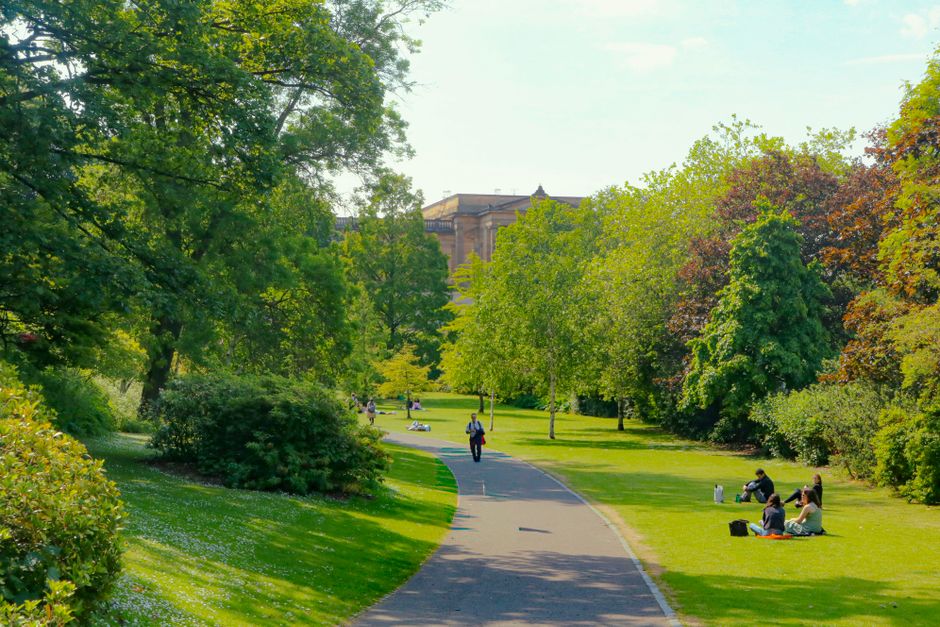
London is a large and historically layered city on the River Thames, shaped by centuries of settlement, trade, governance and rebuilding. Its character changes from district to district, with the City of London at its core, the West End’s commercial and cultural centres, and a wide spread of residential neighbourhoods that developed through different periods of expansion. Roman foundations, medieval street patterns, Georgian terraces, Victorian infrastructure and modern towers all sit within the same urban region, giving the city an unusually varied built environment. The Thames itself remains one of London’s most important physical features, crossed by bridges, tunnels and transport links that connect both banks. Well-known open spaces such as Hyde Park, Regent’s Park, Hampstead Heath and Greenwich Park provide major green relief within the dense urban fabric, while canals, squares and riverside walks offer additional layers of landscape and movement. London also contains a major concentration of museums, theatres, galleries and public institutions, from the British Museum and the National Gallery to smaller local collections and performance spaces. Boroughs such as Westminster, Camden, Southwark and Tower Hamlets each have distinct histories and identities, yet they all contribute to the wider metropolitan character. Markets, churches, civic buildings, railway stations and conservation areas can be found across the city, reflecting the many stages of its development. The result is a place that combines international significance with intensely local neighbourhood life, where architecture, transport and open space interact continuously across a vast and changing urban area.
H3 guidance on safety, timing and site conditions

Safety and timing are central to any tree surgery job, particularly where the work affects paths, parking, entrances or neighbouring property. The better the site is understood, the more efficiently the work can be organised. That does not mean every job needs elaborate preparation, but it does mean the method should be matched to the conditions rather than copied from a standard template. A well-planned day often runs more smoothly and leaves a better finish.
Before the work begins
Before the work begins, it is sensible to identify the tree to be worked on, the access route, any nearby structures and the desired finish. If the tree is close to power lines or other sensitive features, that should be stated clearly so the method can be considered with appropriate caution. Some jobs are straightforward; others need a more measured approach because the tree and the surroundings are tightly connected.
Common tree surgery work we provide
Our tree surgery service is built around the tasks customers most often need, but each one is carried out with the same aim: make the tree and site more manageable without doing unnecessary work. That may mean crown lifting for clearance, crown thinning for density, sectional dismantling for restricted access or stump grinding after a tree has been removed. The right choice depends on what the tree is doing and what the space must do next.
- Selective pruning and shaping for ongoing maintenance
- Crown reduction where the tree has outgrown its space
- Deadwood removal to reduce unnecessary debris and improve appearance
- Tree felling or sectional dismantling where removal is the best option
- Stump grinding to clear the remaining base after removal
These services can stand alone or be combined. For example, a tree may need pruning now and stump work later, or several trees on one property may need different treatments. We keep the focus on what is appropriate rather than forcing every site into the same pattern. That flexibility matters when the trees, boundaries and access points are all different.
Getting a clear price for the work
Pricing for tree surgery usually depends on the size and condition of the tree, the complexity of access, the amount of cutting involved and whether stump work or removal is needed as part of the job. A simple pruning visit and a large sectional dismantling are very different tasks, so it makes sense that the quotation should reflect the actual work rather than a rough category. Where disposal is involved, that can also affect the scope.
To help us prepare a sensible quotation, describe the tree, the setting and the result you want. If there are several trees, it may be worth separating them so the different tasks are easier to review. You do not need to write a long brief, but the more accurately the work is described, the easier it is to match the method to the site. If you prefer, you can request a quotation once you have the main details together.
For customers who want a simple next step, keep the enquiry practical and focused: what needs doing, where it is and how the space should look afterwards. That is enough to start the conversation, and it keeps the decision-making clear. If you are ready, send the details and ask for a quotation; if not, use the service descriptions above to think through the options first.